
Ages 4+
What If Your Child Isn't Struggling with Reading —
But Struggling with the Method?
CAPIT Reading uses the Sound-to-Print method to teach reading the way your child's brain actually works — starting with sounds they already know. Finally, a proven program parents can use at home to support their struggling reader. No teaching degree required.

Available through Forsyth County
Schools for eligible families

Letters don't make sounds. People do!
TRADITIONAL PHONICS VS. LINGUISTIC PHONICS
For decades, traditional phonics (like Orton-Gillingham) pointed to letters and told students: "This letter makes the sound…" But here's the problem—letters don't make sounds. People do! No wonder so many kids get confused. Sound-to-Print—also known as Linguistic Phonics—flips it around, and the difference is transformative.
Starts with letters → hopes kids attach sounds
Programs like Orton-Gillingham begin with abstract letter symbols and ask students to memorize what sounds they “make.” For many kids—especially struggling readers—this creates confusion and cognitive overload from the start. English looks random, rules feel endless, and exceptions pile up.
• • • • •
X Begins with what kids don't know (letters)
X English feels illogical and full of exceptions
X High cognitive load—memorize rules, then apply
X Struggling readers fall further behind
TRADITIONAL PHONICS: PRINT-TO-SOUND
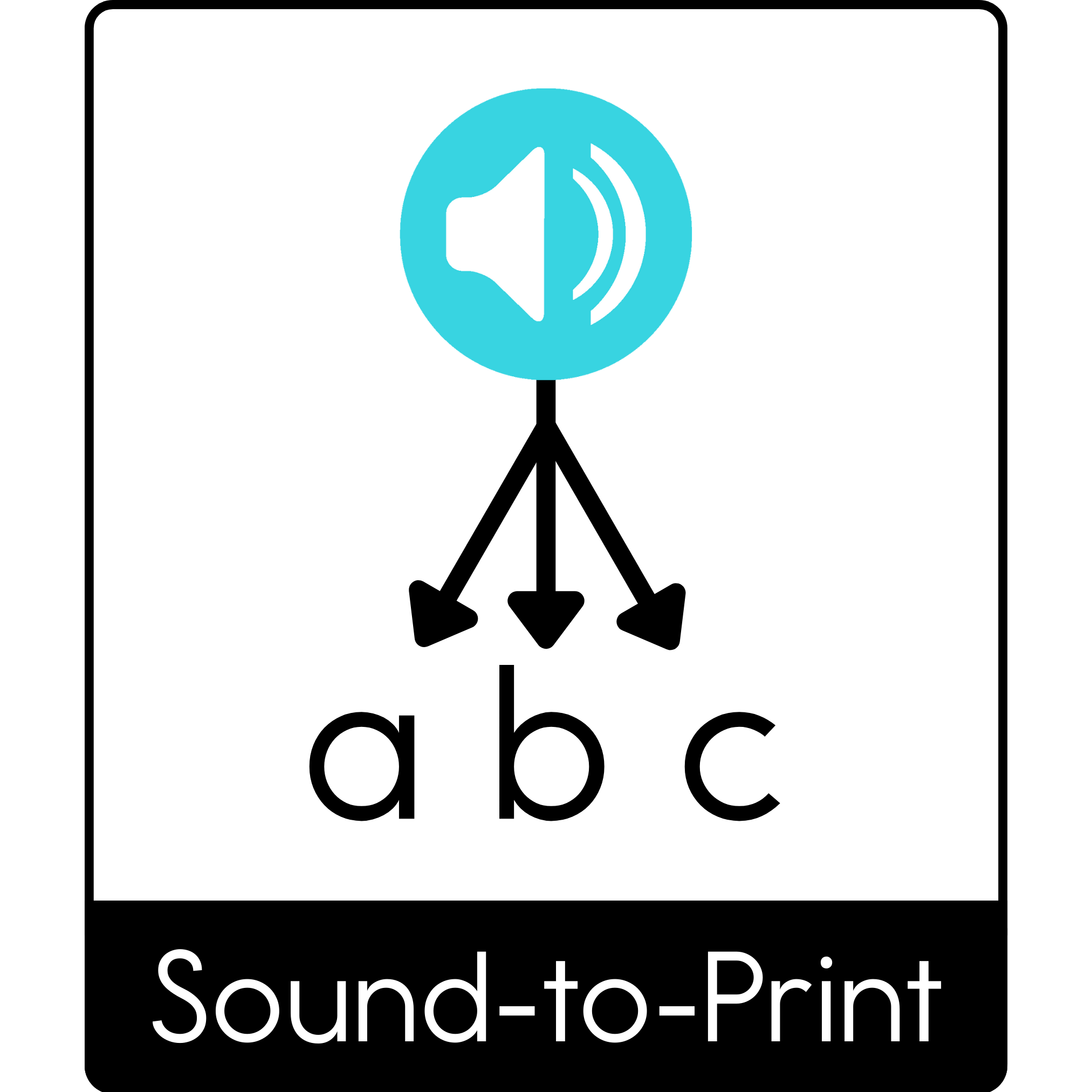
Starts with sounds kids already say → maps to print
CAPIT begins with the speech sounds your child says every day, then shows them how those sounds are written on paper. It's like handing them the key to a code they already know. English becomes logical instead of random, and kids crack the alphabetic code faster—with less confusion.
• • • • •
√ Begins with what kids already know (speech)
√ English becomes a logical, crackable code
√ Low cognitive load—build on existing knowledge
√ Effective for struggling readers & ELL learners
LINGUISTIC PHONICS: SOUND-TO-PRINT
Why Sound-to-Print Is Gaining Momentum Nationwide. Learn More.
Backed by Science
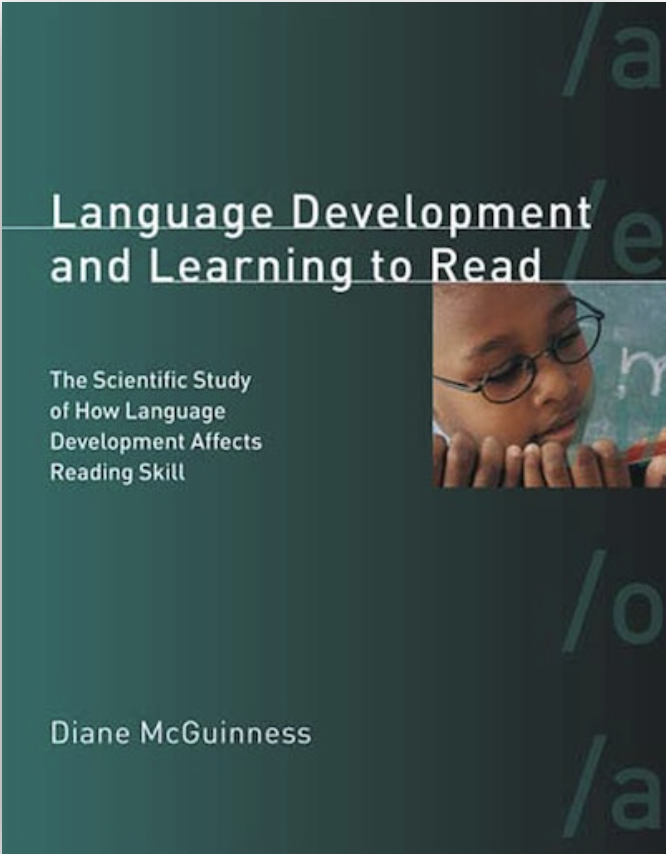
Experts across linguistics, cognitive science, and education endorse Sound-to-Print because it aligns with how the brain actually processes language—speech first, then print.
Works for Every Type of Learner
Sound-to-Print is especially effective for struggling readers, PreK students, English language learners, and students with learning differences—because all children are wired for speech.
Makes English Logical
Instead of endless rules and exceptions, Sound-to-Print shows kids that English spelling is a code that maps sounds they already use. The patterns click into place naturally.
Compounding Growth
Schools that have switched from traditional phonics to Sound-to-Print are seeing reading gains that don't just hold—they compound, with students progressing faster each year.
A Sound-to-Print Phonics Program That’s Engaging and Effective!
WHAT IS CAPIT READING
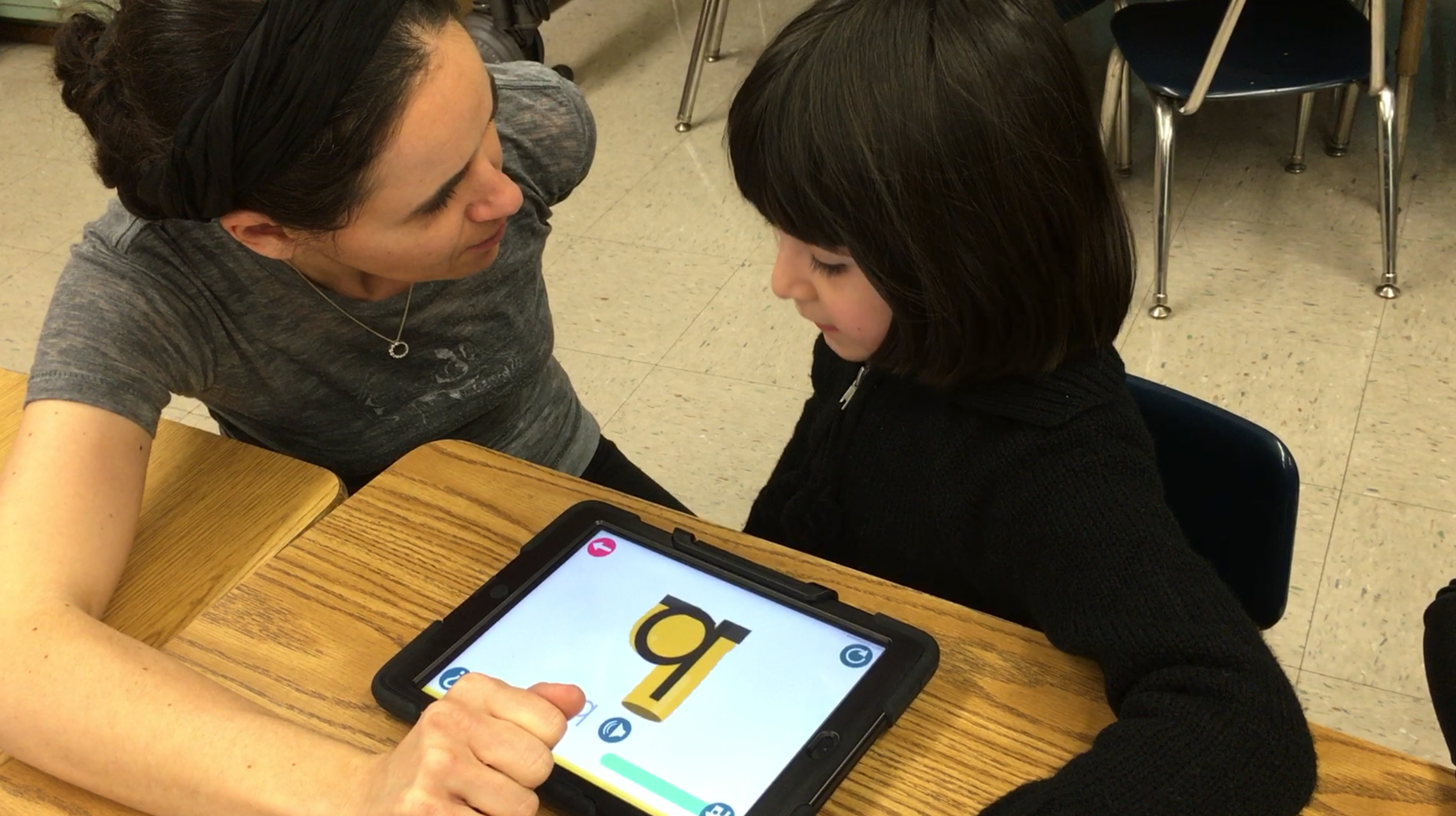
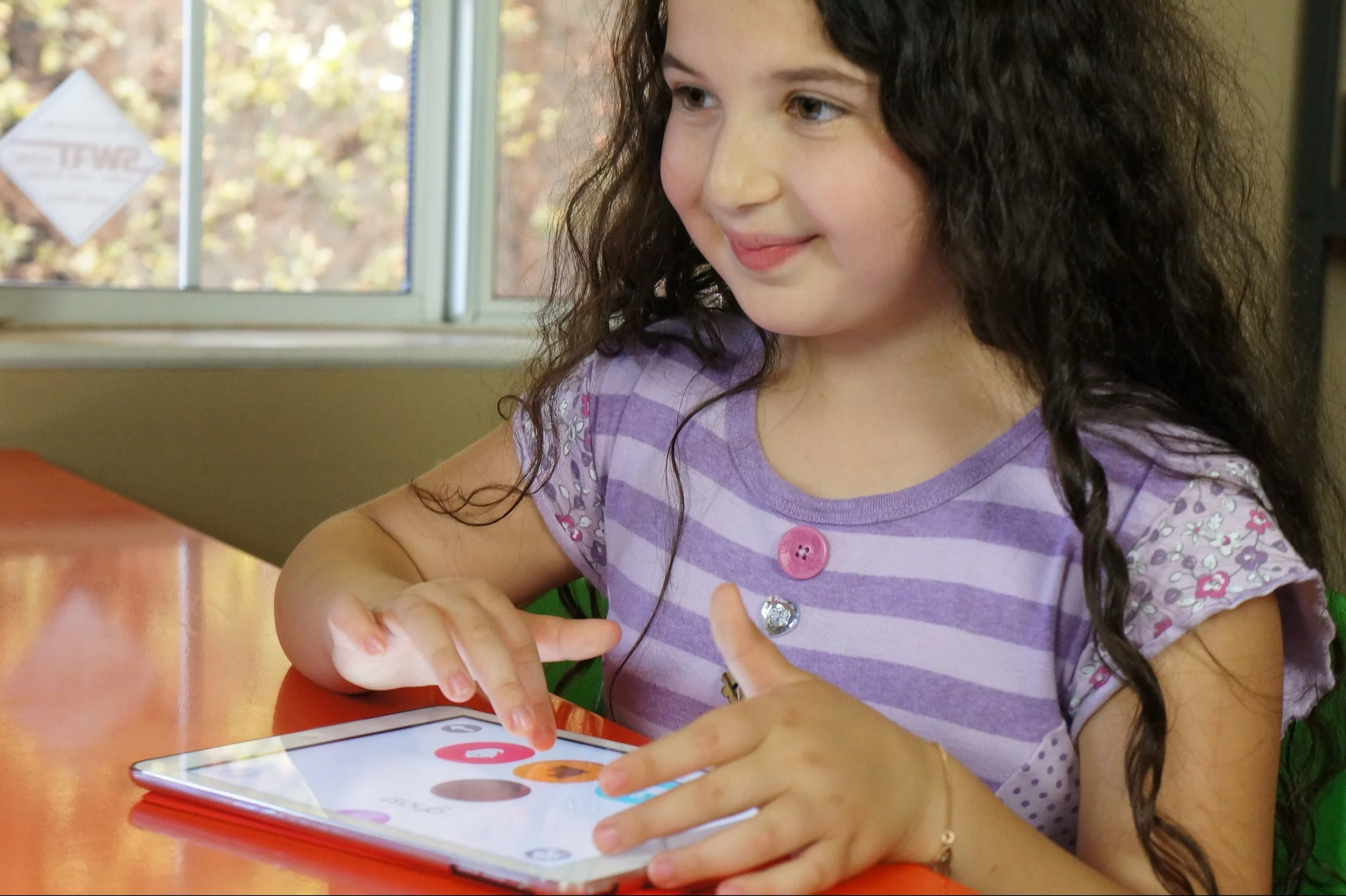
CAPIT Reading is an interactive, self-paced reading program your child uses on a tablet or computer—just 15–20 minutes a day, 4–5 times a week.
Designed for ages 4–8, as well as older struggling readers, children with dyslexia, and English language learners.
Getting started is simple! You'll have everything you need to confidently guide your child through CAPIT—
NO TEACHING DEGREE REQUIRED!

How CAPIT Works in Your Home
SIMPLE FOR PARENTS
Your Child Logs In
The digital platform meets your child where they are. They can test out of skills they've mastered and jump to exactly what they need—no busy work.
1
They Learn by Doing
Interactive lessons turn speech sounds into reading and writing skills through engaging activities. Kids practice at their own pace—no pressure, no frustration.
2
You See the Progress
Built-in assessments show you where your child is growing. You'll know what they've mastered and what to focus on next—no extra tracking needed
3
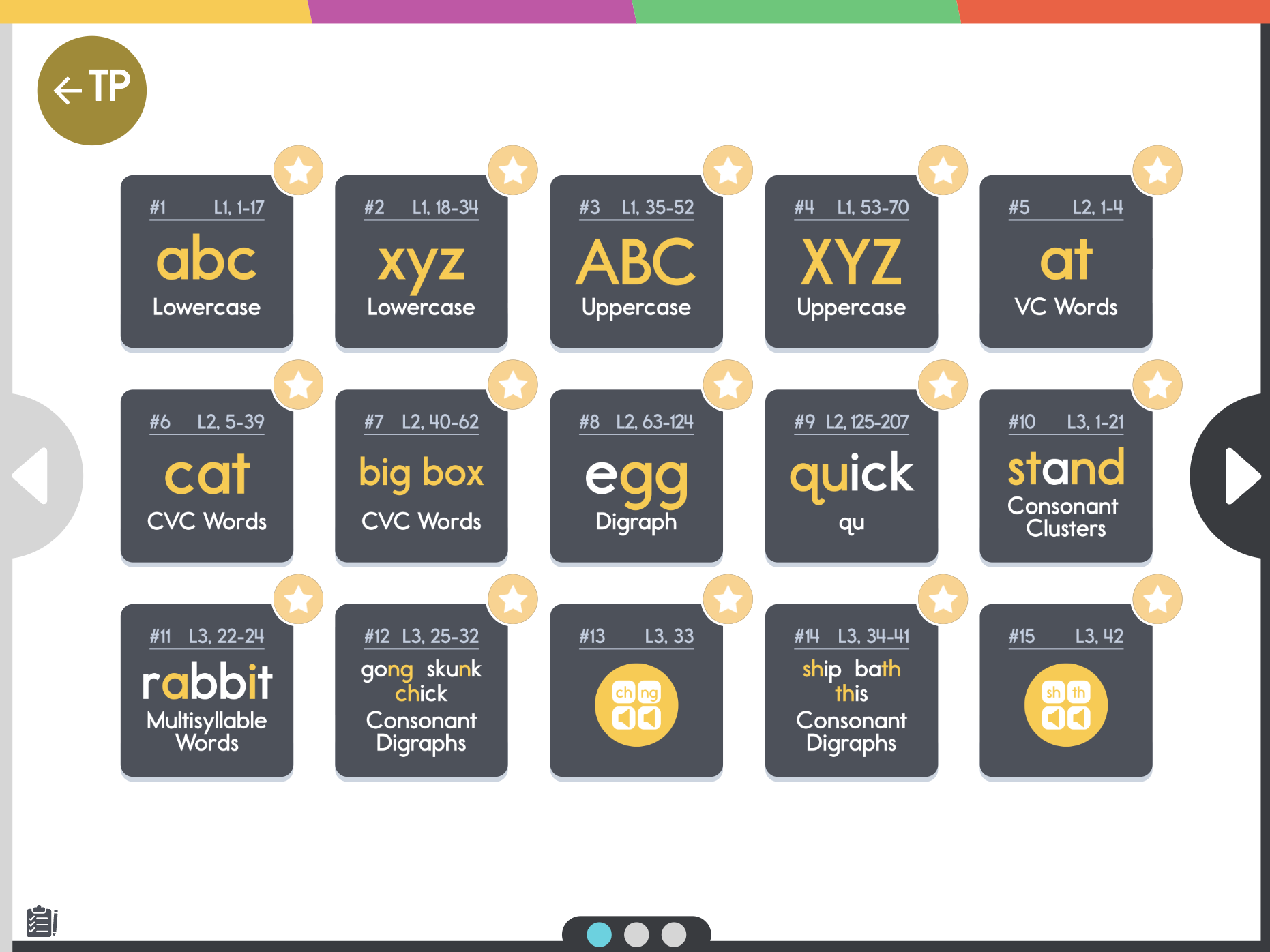
Five Levels That Grow with Your Child
FROM FIRST SOUNDS TO FLUENT READING

Your child starts wherever they are—and the program adapts. Even older students working on foundational skills can move quickly through levels they've already mastered.
This Isn't a Guess. It’s Validated!
THE RESEARCH
more likely to achieve kindergarten readiness
(Johns Hopkins CRRE study)
2.16x
independent, third-party validation studies, 2 with
Johns Hopkins CRRE
3
Tier II

Everything You Need, Nothing You Don’t!
WHAT’S INCLUDED?
Full Digital Platform Access
Your child gets their own login to CAPIT's complete curriculum—works on a computer, tablet, or Chromebook.
Adaptive Placement
No starting from scratch. CAPIT assesses your child's level and begins where they actually need help.
Progress Tracking Dashboard
See exactly where your child stands, what they've mastered, and what they're working on—at a glance.

Downloadable Activities
Printable practice resources for offline reinforcement—great for car rides, quiet time, or screen-free days.

Parent Getting-Started Guide
A short video walkthrough to help you feel confident from day one. Watch on your own time, at your own pace.

Multisensory Resources
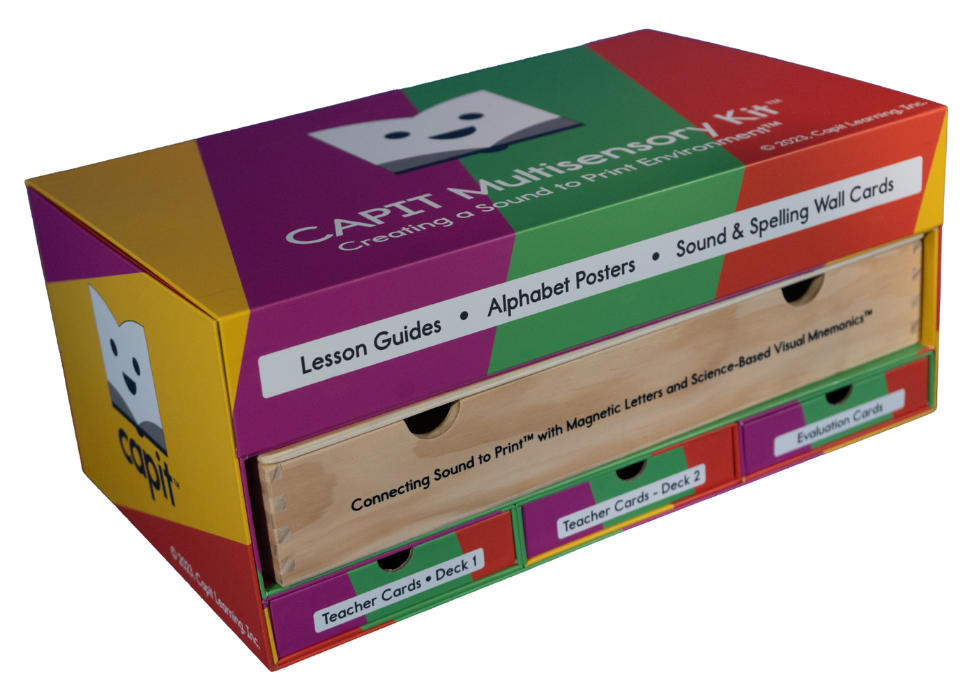
Multisensory Kit • Proprietary Visual Mnemonics that connect sounds to images • Sound Wall; hundreds of downloadable worksheets.
No Cost to You
This Resource Is Fully Funded
Through federal proportionate share funding, Forsyth County Schools is providing CAPIT Reading at no cost to eligible families with students who have been identified for special education services. All you have to do is sign up.
Parents Like You Are Seeing Results
FROM HOMESCHOOL PARENTS
-
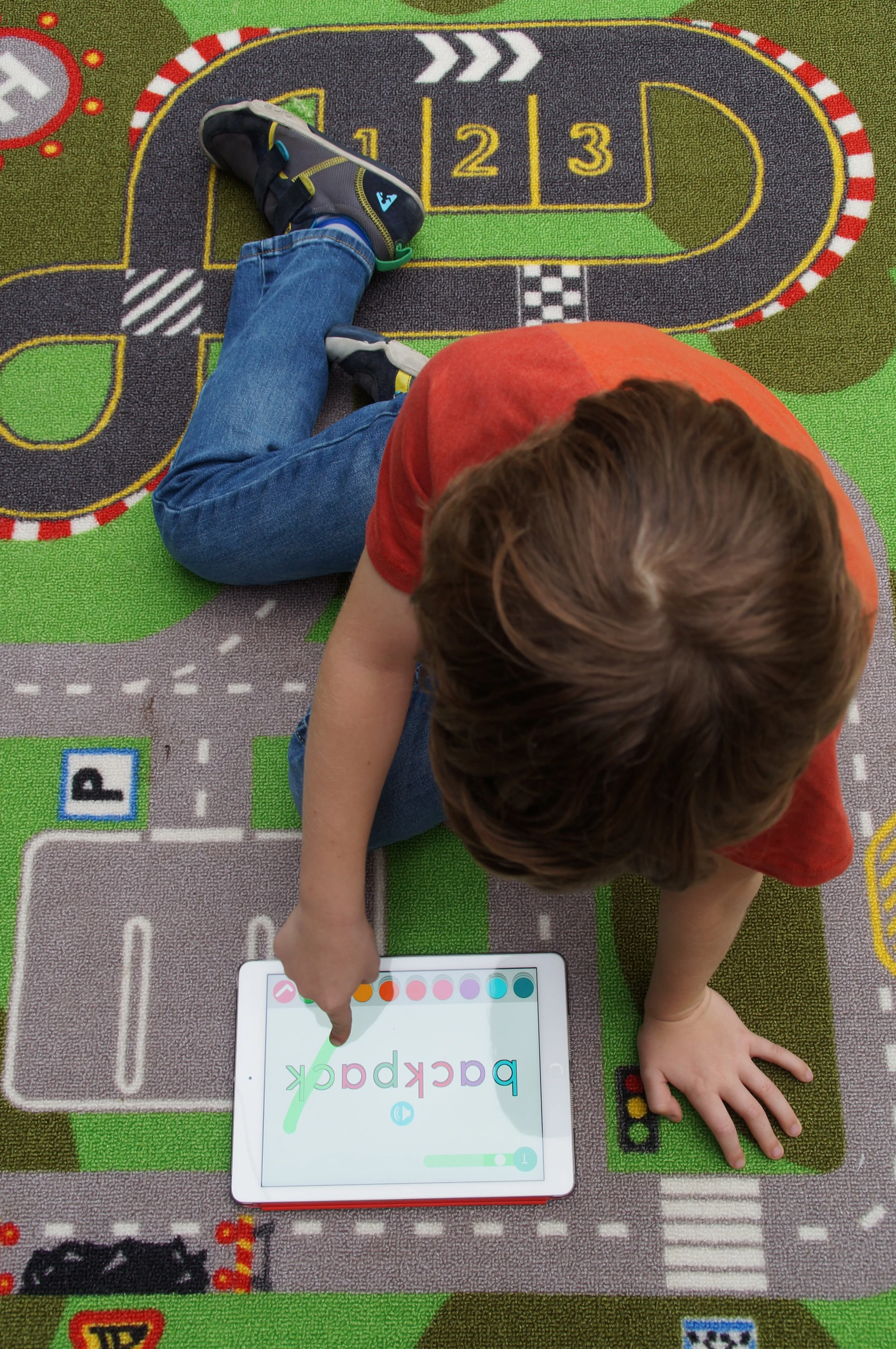
His reading was slightly delayed due to a speech delay. He did not start talking until he was four, so it was difficult to start reading until then. At the time he started CAPIT, he could read the words he had memorized, but was very frustrated and intimidated when he had to sound them out.
He started to work through the levels of CAPIT Reading on his own. His reading of books and sounding out words, which he did with me, immediately started to improve. At this point, he can sound out any word with which he is not familiar.
I am incredibly pleased with the program!”
Eric Greenberg, MD — Homeschool Parent
“
-
Prior to using CAPIT, she was not interested in reading and easily grew frustrated when I attempted to read with her. Her confidence and interest in reading grew exponentially once she started working with CAPIT. Within a few short months, she was attempting to read more on her own and had a newfound enthusiasm for reading. She began with CAPIT Level 2 and progressed through the program's advanced levels.
My son began using CAPIT just short of his 5th birthday. Before starting the program, he had significant trouble with letter-sound correspondence and struggled to read even the simplest words. Working with the program helped him gain fluency and familiarity with the alphabet and its sounds. Using CAPIT made a world of difference in his ability to decode words and in his writing, as well. At the age of 6, he is continuing to use CAPIT and reap the benefits of this incredible program!
Finding high-quality curricula/programs is a daunting task for homeschooling parents. I am so grateful to have been introduced to CAPIT and to have had the opportunity to use it with my children. It has made a world of difference in our reading journey. CAPIT has given me the tools that I so desperately needed to help my children learn to read.
The innovative approach of CAPIT Reading has the potential to address the critical need in the US to improve children's reading achievement.”
Sofiya Turin — Homeschool Family, Mother of 6-Year-Old & 5-Year-Old
“
-
“When my son was 4, we began teaching him the alphabet. We quickly noticed that he was not picking it up as my older kids had. We waited a year and tried again, but he still couldn't remember the letters’ names or sounds from one day to the next. It was as though none of the information could encode itself in his brain.
We began using the CAPIT system to teach him the alphabet. CAPIT’s unique visual mnemonic devices and repetitive activities made all the difference for my son. What I had fruitlessly worked on for a year, he was now picking up quickly without frustration. He slowly and steadily improved. There was a time when I thought he might never be able to read. Today tests many grade levels above his age in reading!
I can’t recommend CAPIT highly enough. It can be used with any child, including struggling readers. With CAPIT, kids experience success in reading right from the start, and that feeling of accomplishment helps to keep them confident and enthusiastic about continuing the program.”
Traci Tessler — Schomeschooling Mother of 7-Year-Old
“
-
We are so impressed by the interfaces and the way the program guides children from learning the sounds to applying them to building words. We spend about 20 minutes a day on the program, approximately 4-5 times a week.
The CAPIT Team is also extremely accessible. They will answer all your questions and offer great advice along the way. Another incredible part of CAPIT is that once the kids become accustomed to how the program works, parents can leave the child to do the activities without much guidance. I highly recommend giving CAPIT a shot with all new readers!”
Sandra Ghatan Ram — Homeschool Mother of 4½-Year-Old
“
-
Finding high-quality curricula programs is a daunting task for homeschooling parents. For a student like my daughter, who struggled with learning and was also a reluctant learner/reader, the task was even more daunting. CAPIT has made a tremendous difference in my daughter’s reading development. Its implementation made the process of learning to read seamless and effortless. She learned without noticing. Using CAPIT Reading’s unique approach to the alphabet, she quickly began identifying the letters by their sounds; the letters and sounds began to come together, and before long, she was blending sounds to make words, and her reading took off. The CAPIT Reading program became something she enjoyed doing regularly.
Recently, I started using CAPIT Reading with my son, as well. He does not have the same struggles as my daughter, but the CAPIT Reading approach is streamlined in a way that makes sense to all children. CAPIT is not solely for the child who struggles. It eliminates the vast “exceptions to the rules” that are so common in English reading and writing curricula. CAPIT’s approach allows all children to learn to read more efficiently and comprehensively. My experiences permit me to believe that through its’ interactive and highly engaging lessons, CAPIT Reading gives nearly all children the ability to read in a relatively short amount of time, giving children the confidence and desire to continue reading.
The innovative approach of CAPIT Reading has the potential to address the critical need in the US to improve students' reading achievement. As a parent and educator, I strongly endorse CAPIT Reading.”
Shaindee Kreitenberg, Esq. — Homeschool Family, Mother of 6-Year-Old & 5-Year-Old
“
-
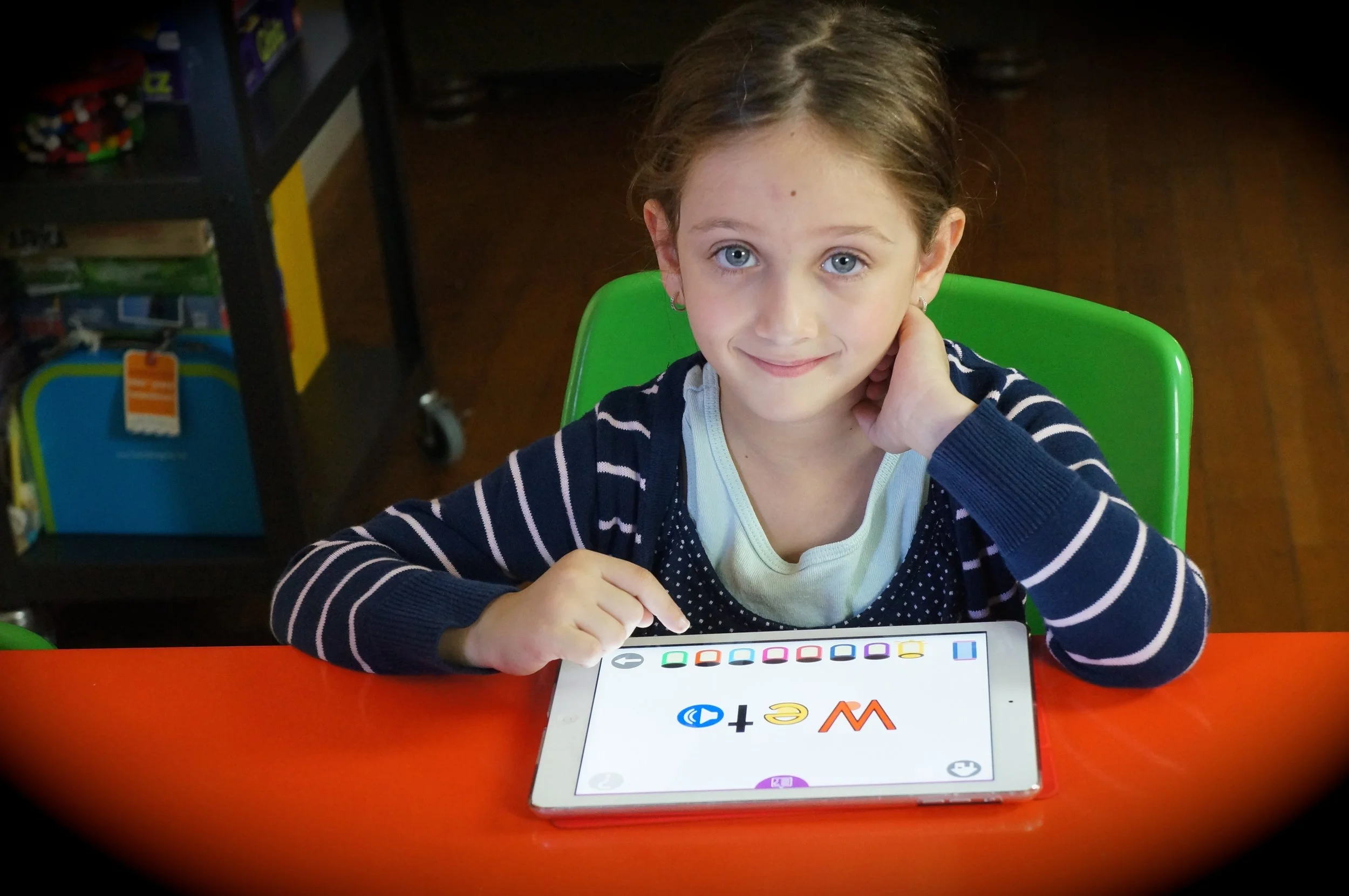
“My ten-year-old son is a struggling reader. He loves being read to, but is intimidated by the prospect of reading on his own. CAPIT has been amazing for him because it breaks the overwhelming task of reading into small, manageable parts. My son is progressing through the CAPIT program slowly but surely, one sound at a time, gaining not only the skills but also the confidence he needs to read on his own. CAPIT’s systematic approach speaks to his sense of logic and order. While he still has a way to go to reach fluency, we finally see the light at the end of the tunnel. He now believes that he’ll be able to read and enjoy his favorite books on his own.”
Yehudis Litvak — Homeschool Mother of 10-Year-Old
“
GET STARTED
Ready to Give Your Child a New Start?
Be in touch with Forsyth County Schools to determine eligibility.
CAPIT Reading
School-grade literacy instruction that supports students at home.
capitlearning.com
This resource is made available through Forsyth County Schools federal proportionate share funding for eligible students.